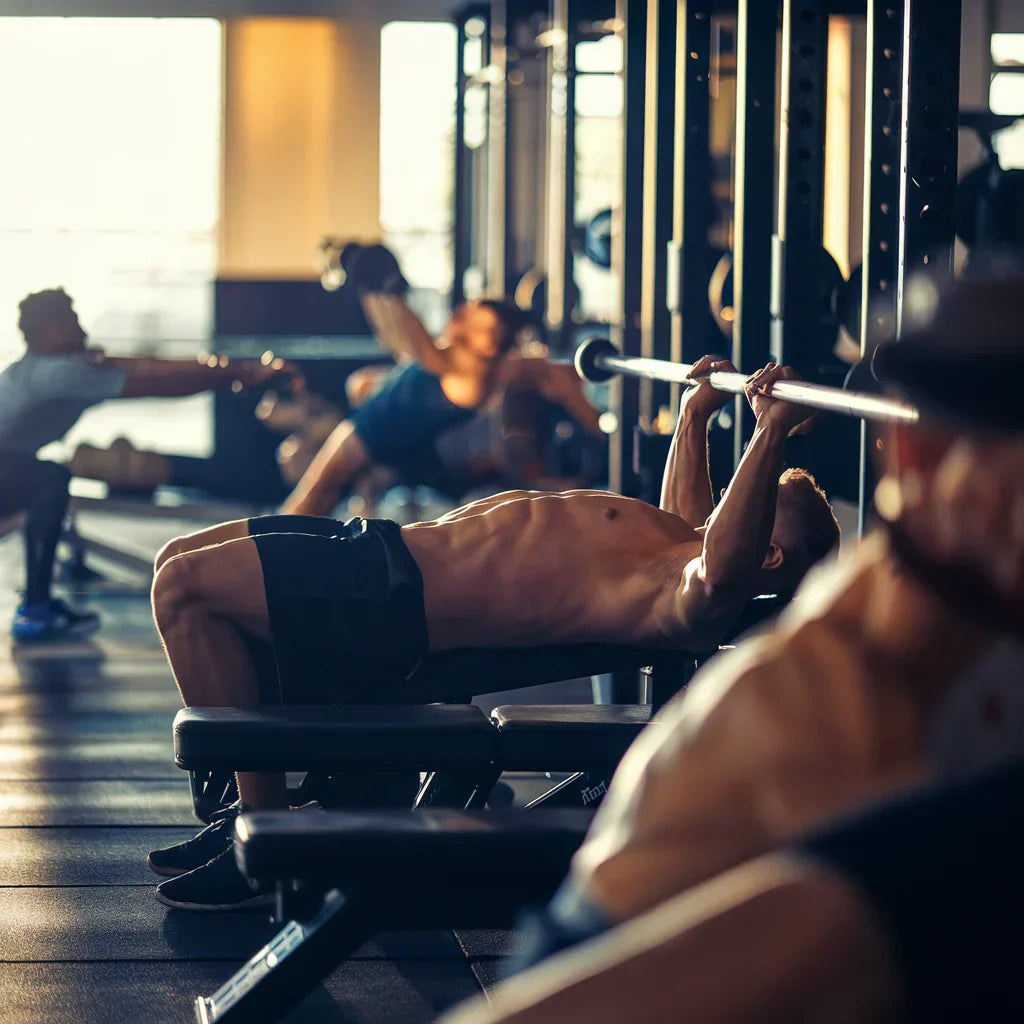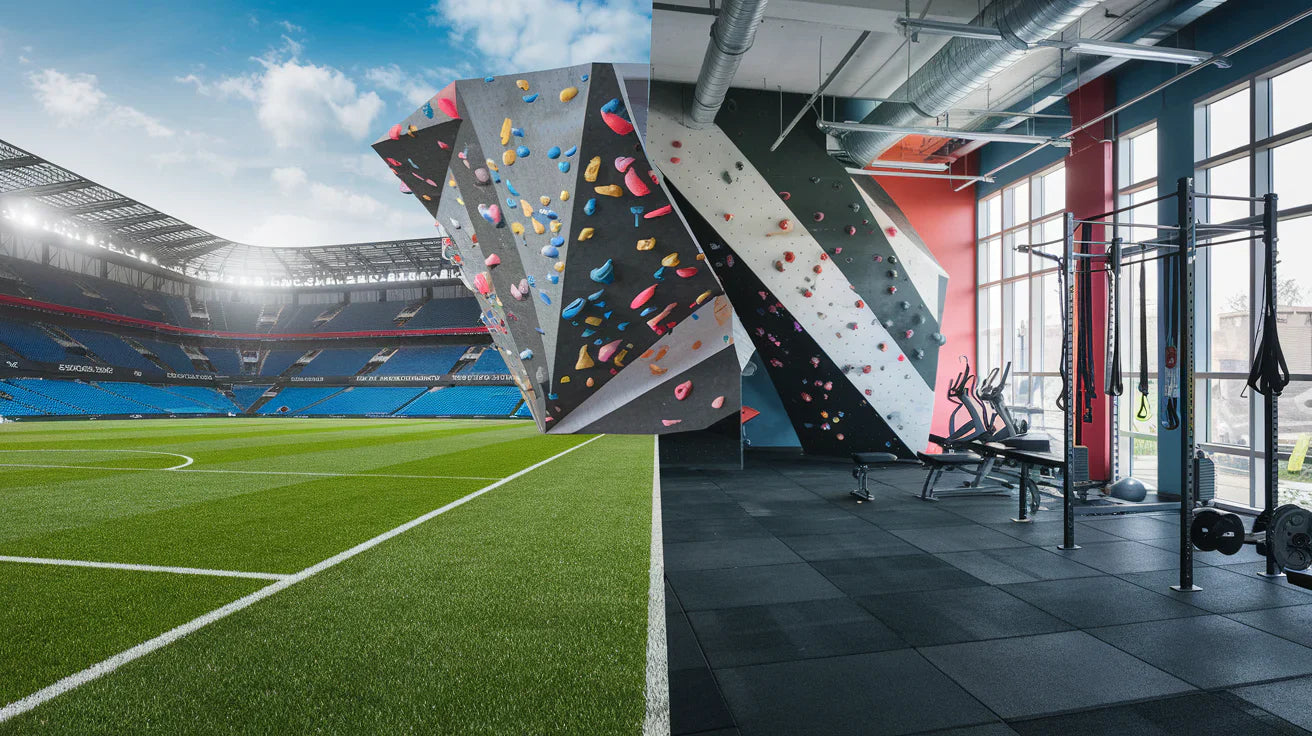
Combining strength training with other sports can offer numerous benefits, but it also presents some challenges. Take soccer, for example: well-developed muscles are extremely helpful for improving both speed and endurance. However, if both sports are to deliver maximum results, a well-designed training plan is essential. For instance, basic exercises like squats and deadlifts can be incorporated to strengthen both the legs and upper body, increasing stability and speed on the field.
However, creating a balanced training program that incorporates both strength and endurance training is also a challenge. Beginners may struggle to find the right intensity and the optimal ratio of strength to endurance training. Advanced athletes need to ensure sufficient recovery between training sessions to avoid overtraining.
The synergies between strength training and other sports are enormous when combined correctly. For example, a well-thought-out plan can help build muscle in a targeted way while simultaneously increasing performance in soccer. It's also important to emphasize that combining two sports always involves a compromise. But how can athletes effectively integrate these training methods to maximize their progress? Learn more about how to achieve your individual training goal!
Training days and frequency
Combining strength training with other sports requires careful planning of training days and frequency to ensure both performance in the respective sport and success in strength training. A sensible approach for a training plan could be a frequency of three to four strength training sessions per week. It is important to consider muscle recovery time to avoid overtraining and injuries.
This is suitable for both beginners and advanced learners. Training plan It is recommended to train different muscle groups on different days. An example could look like this:
- MondayPush (chest, shoulders, triceps)
- Tuesday: Sport 2(z.B(Bouldering)
- Wednesday: Lower body (legs)
- Thursday: Sport 2
- FridayPull (back, biceps)
- Saturday: Sport 2
- SundayRegeneration
For advanced athletes who want to improve their skills muscles If you want to build muscle in a targeted way, you can increase the intensity of your strength training sessions. However, you should reduce the training volume for each muscle group. Active recovery management must also be considered. For example, it might be beneficial to deprioritize the muscle groups most heavily stressed in your sport during strength training and train them last.
The distribution of training days should be designed to allow sufficient time for the regeneration remains. Especially after intense strength training sessions, it is crucial to give muscles time to recover in order to make progress. A targeted use of proteins To support muscle building, active regeneration methods such as light stretching or yoga can further promote recovery.
Through proper planning and adaptation of the intensity Every athlete, whether beginner or advanced, can create an effective training plan that integrates both strength training and the practice of other sports, thus achieving optimal results. Training progress secures.
Volume and training intensity
To optimize performance in other sports, it is crucial to adjust the volume and intensity of strength training accordingly. Volume is determined by the number of sets and repetitions. For athletes who participate in multiple sports, it is advisable to keep the volume low but increase the training intensity without overtaxing the nervous system or muscles. Advanced athletes may consider a customized training plan. Training plan consider in order to specifically target different muscle groups to train on different days.
Training intensity is very important and refers to the equipment used. Weight and the level of exertion. To build strength or Muscle building To maximize performance, the weight should be chosen so that the last few repetitions of a set present a challenge. A common goal in strength training is to use approximately 70-90% of one's one-lift maximum. This intensity not only promotes... Increase in strength, but also performance in the respective sport.
A balanced combination of strength training and specific sports training ensures that the Overall fitness and performance can be improved. For example, soccer players can benefit from stronger leg muscles, while swimmers should specifically train their shoulder and back muscles.
For beginners, it is recommended to start with lighter weights and focus on the correct execution of the exercises. Exercisesto concentrate in order to avoid injuries. Advanced athletes can use specific techniques. Workout-Integrate units that are specifically tailored to the requirements of their sport. This allows the Success They maximize training, and the athletes experience a noticeable improvement in their performance.
regeneration
In the context of combining strength training with other sports, recovery plays a crucial role in long-term success and performance. Recovery allows the body to recover from the stresses of training, build muscle tissue, and promote overall well-being. An appropriate recovery strategy is therefore essential to avoid overtraining and achieve continuous progress.
There are various recovery methods that athletes can use to optimize their recovery phase. These include:
-
Active regenerationLight, relaxed activities like jogging or cycling promote blood circulation and help reduce muscle tension. This form of recovery can be integrated into your training plan to support recovery between intense training sessions.
-
Stretching and mobilizationTargeted stretching of the muscles improves flexibility and can relieve muscle tension. Regular stretching sessions should be part of every workout to increase mobility and prevent injuries.
-
NutritionThe right intake of nutrients throughout the day is crucial for the athlete's success.The food should be tailored to the athlete's daily routine. It should be easily digestible and palatable. It's crucial that the body actually absorbs the nutrients. Remember: you are not what you eat, you are what you digest.
-
SleepSufficient sleep is one of the most effective methods of regeneration. During sleep, the body regenerates not only muscles but also the central nervous system. A regular sleep routine should therefore be part of any serious training plan.
To effectively integrate recovery periods into a training plan, athletes should include a individual training plan Consider this approach. This allows you to train different muscle groups on different days and allow sufficient time for recovery. For example, you could train your upper body one day and your lower body the next. This gives your muscles enough time to recover and build.
By considering regeneration as an integral part of the training process, one can not only increase physical performance but also achieve long-term success in strength training and other sports.
Nutrition
A balanced diet is crucial to optimally support the effects of strength training and other sports. Nutritional requirements can increase when combining different sports, as the body needs more energy to build muscle mass and improve endurance.
Proteins They are essential for muscle growth and recovery. They should be included in every meal, especially after a workout. Good sources include lean meat, fish, eggs, and plant-based alternatives such as legumes.
carbohydrates Glycogen plays a vital role in energy supply, especially if your training plan includes intense workouts at the gym or HIIT sessions. Whole grains, fruits, and vegetables are excellent options for replenishing glycogen stores.
Fats They also support regeneration and general well-being as well as hormone production and should be consumed in the form of healthy sources such as nuts, avocados and olive oil.
Practical tips: Plan your meals so that you consume the right nutrients before and after your workout. A snack with carbohydrates and protein about 30 minutes before training can boost performance. After your workout, a protein-rich meal is ideal to promote muscle growth and support recovery.
Frequently Asked Questions:
In the field of strength training, there are many questions that athletes and fitness enthusiasts frequently ask. The combination of strength training with other sports, in particular, often raises uncertainties. Whether you're an experienced athlete or just starting out, you'll find plenty of guidance. Training plan When you begin, it is important to find the right balance between different training methods.
A well-thought-out combination can not only improve your performance in your chosen sport, but also reduce the risk of injury and boost your overall fitness. Therefore, many people ask how they should combine their [training/products]. Training plan They can be optimally designed to promote both strength and endurance.
In this section, we will address some of the most frequently asked questions related to strength training and other sports. We will clarify how to develop an effective training plan. SplitA training plan will be created that is tailored to your individual needs and goals. We will also give you tips on how to effectively integrate the different training methods to achieve the best results. Gym and to achieve even more.
How should I combine strength training with other sports?
To effectively integrate strength training into the training of other sports, it is important to consider the specific needs of each discipline. A well-structured training plan can help combine strength and sport-specific skills.
First, the training day should take place in a Split plan Training sessions can be organized that focus either on specific muscle groups or on functional movements. For example, a soccer player might train their leg muscles one day and core stability the next.
Practical tips for designing the plan may include:
- Strength training in the gymFocus on exercises like squats, deadlifts, and bench presses, which increase basic strength.
- Sport-specific exercises: Incorporate plyometric exercises such as box jumps or medicine ball throws to build explosive power.
- Mobility work: Make sure to include flexibility and stability exercises in your routine to prevent injuries.
This combination of strength training and specific exercises allows athletes to improve their performance while minimizing the risk of injury.
What weight, number of repetitions, sets, and rest periods should I choose to achieve my goal?
To select the right weight, number of repetitions, sets and rest periods, it is important to first define your personal goal:
-
Muscle building (hypertrophy)A weight approximately 70-80% of your one-repetition maximum (1RM) is recommended. A typical plan might include 3-4 sets of 8-12 repetitions with a rest period of 90-180 seconds between sets. Beginners should start with lighter weights, while more advanced lifters can increase the intensity.
-
Increase in strengthFor this goal, you should choose heavier weights, around 80-90% of your 1RM. A split routine of 4-6 sets with 3-6 repetitions is ideal, with rest periods of 2-5 minutes to allow for optimal muscle recovery. Beginners can start with fewer sets and longer rest periods.
Which exercises will be completed?
Strength training can be combined excellently with various sports to improve overall performance. Specific exercises can be selected that specifically support the demands of other sports.
Strength training combined with endurance sportsRunners can benefit from exercises like squats and deadlifts to strengthen their leg muscles and improve running economy. SplitTraining that focuses on the upper and lower body allows them to build strength in a targeted way without affecting endurance.
Strength training in team sportsIn soccer or basketball, plyometric exercises such as box jumps and medicine ball throws can improve explosiveness and speed. These exercises enhance the ability to execute quick changes of direction and jumps, which is crucial for success on the field.
Strength training in martial artsFunctional exercises like pull-ups and kettlebell swings are beneficial here. They not only strengthen the core muscles but also improve grip strength and endurance, which are crucial for performance in the ring.
The combination of strength training with these exercises allows athletes to refine their specific skills and take their athletic performance to a new level.
Why should I train with a training plan? Can't I do it without one?
A structured training plan is crucial in strength training to maximize progress and prevent injuries. Without a plan, many tend to train sporadically or unsystematically, often leading to ineffective results. A well-thought-out training plan helps to target and build specific muscle groups. This ensures that all important areas of your body are adequately trained, promoting balanced development.
Another key advantage of a training plan is the motivation it provides through clear goals. When you know what you want to achieve—whether it's building muscle, improving strength, or increasing endurance—you can better track your progress and challenge yourself. Goal-oriented training increases the likelihood of sticking with it in the long run.
Without a clear plan, training can often lead to frustration, as progress is slower or even invisible. A well-thought-out training plan, on the other hand, offers not only short-term success but also long-term benefits, such as improved physical fitness and a reduced risk of injury. Therefore, it is advisable to take the time to create a structured training plan in order to achieve the desired results efficiently and safely.
Which exercises should be included in my training plan?
To optimally combine the benefits of strength training with other sports, it is important to create a balanced training plan that includes both general strength exercises and sport-specific movements.
General strength exercises:
-
Squats: This exercise strengthens the leg muscles and core. It is relevant for almost every sport, as it improves jumping power and stability.
-
Bench press: Ideal for building chest, shoulder, and arm muscles. Especially important for ball sports like basketball or soccer, where strong upper body strength is advantageous.
-
Deadlift: This exercise strengthens the back muscles and the entire core. It is particularly useful for sports that require strength and stability, such as rugby or weightlifting.
Sport-specific movements:
-
Plyometric exercises (e.g., box jumps): These improve explosive power and are particularly relevant for sprinters and basketball players.
-
Rotation exercises (e.g.Russian Twists): These strengthen the core muscles and are crucial for sports such as tennis or golf, where a strong torso rotation is essential for performance.
By combining these exercises in your training plan, you can specifically build strength and simultaneously improve your performance in your sport.