The push/pull/legs training plan is an effective 3-day split that allows you to target specific muscles while ensuring optimal recovery times. This training approach divides the workout into three basic categories: Push, Pull and Legs.
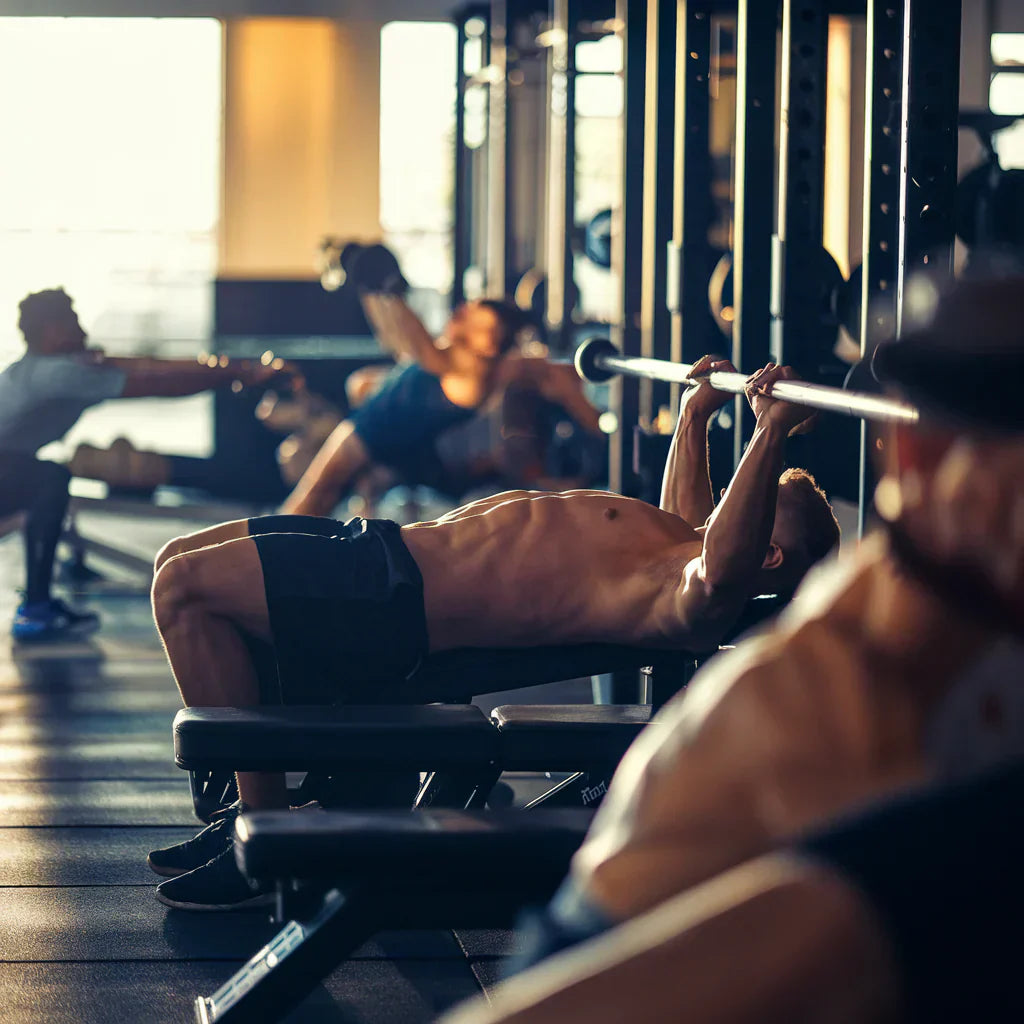
- Push-Training includes exercises that target the pressing muscles, such as the chest, shoulders, and triceps. These include classics like the bench press and shoulder press.
- In the Pull-Training trains the pulling muscles, including the back and biceps. Exercises such as z.BPull-ups and rowing are central here.
- The LegsThis type of training focuses on the lower body muscles, including the quadriceps, hamstrings, and calves. Exercises such as squats and deadlifts are used.
This division allows both beginners and advanced trainees to work specifically on different muscle groups without overtraining. By adhering to recovery periods between workouts, it is ensured that the muscles have sufficient time to recover and grow. A well-designed push/pull/legs training plan is therefore ideal for anyone who wants to build muscle effectively.
What is a push/pull/legs training plan?
A Push/Pull/Legs Training Plan This is a popular training approach that offers a structured division of exercises into three main categories: push, pull, and legs. This method allows for targeted engagement of specific muscle groups and promotes both muscle growth and regeneration.
PushThis training focuses on the anterior and lateral deltoids, chest, and triceps. Exercises such as bench presses, shoulder presses, and tricep extensions are performed during this workout. These exercises aim to strengthen and shape the muscles responsible for lifting weights.
In contrast, the PullThis training targets the back, rear deltoids, and biceps. Exercises such as pull-ups, rows, and bicep curls are incorporated. These exercises are crucial for training the muscles needed for weightlifting, which is not only aesthetically pleasing but also improves posture and prevents injuries.
The third category, LegsThis workout encompasses the entire lower body, including the abdomen. Exercises such as squats, deadlifts, and leg extensions are performed during this session. These exercises are essential for developing strength and stability in the legs and core.
A major advantage of the push/pull/legs approach is the possibility of optimal regeneration despite its flexibility. By dividing the training into separate days, specific muscle groups can be targeted, while other muscle groups get time to recover during rest periods. This is particularly beneficial for beginners who want to build muscle gradually, as well as for advanced athletes aiming for more intense training sessions.
The flexibility in training design is another advantage of this. 3-way splitsDepending on your goals, the training sessions can be individually tailored, whether for muscle building, increasing strength, or improving endurance. With a clear structure and focused exercises, the push/pull/legs training plan offers an effective way to achieve your fitness goals.
Advantages of the Push/Pull/Legs Training System
The push/pull/legs training system offers numerous advantages that make it an excellent choice for athletes of all experience levels. Thanks to its clear structure, 3-way splits different muscle groups be specifically addressed: At Push-day, chest, shoulders and triceps are trained during Pull-Day back and biceps, and on LegsOn this day, the focus is on the legs and torso. This targeted approach makes it possible to... musclesto train efficiently while avoiding overtraining.
Another advantage is the high Efficiency in the Training planWith only three training days athletes can do their weekly Repetitions and Sentences optimally suited to different goals such as Muscle building or regenerationVote. Studies show that a well-structured training routine can significantly improve results.
For beginner The system offers the advantage that they can concentrate on the basics, while advanced Athletes can improve their performance by varying the intensity and weight. By providing sufficient pauseIf the intervals between training sessions are observed, the regeneration This promotes sustainable progress.
Developing a push/pull/legs training plan
A push/pull/legs workout plan is a popular training system characterized by a clear structure and efficient division of muscle groups. The fundamental principles of this plan are based on separating exercises that activate specific muscle groups. This allows for targeted muscle activation and promotes both muscle growth and recovery.
Structure of the Push/Pull/Legs Training Plan
The training plan is divided into three main categories:
-
Push trainingThis type of training targets the muscle groups involved in pressing movements. These include the anterior and lateral deltoids, the pectoral muscles, and the triceps. Typical exercises are bench press, shoulder press, and triceps extensions. These exercises promote the strength and hypertrophy of the muscles activated during pressing.
-
Pull trainingThis training day focuses on pulling movements. The back, rear deltoids, and biceps are targeted. Common exercises include pull-ups, rows, and bicep curls. These exercises are crucial for improving back muscle strength and arm power.
-
Leg trainingOn this day, the entire lower body and abdominal muscles are trained. This includes exercises such as squats, deadlifts, and leg presses, which target both the thigh and gluteal muscles. Abdominal exercises like planks and crunches are also part of this workout.
Advantages of the push/pull/legs training method
The push/pull/legs split offers numerous advantages, particularly regarding recovery and flexibility. Separating muscle groups ensures that each group has sufficient time to recover before being trained again. This reduces the risk of overtraining and injury and allows for a sustainable increase in training intensity.
Another advantage is the flexibility of the plan. The 3-day split makes it easy to adapt the training days to your personal schedule.Whether you schedule three, four, or even five training days per week, the structure remains the same and can easily be modified. This adaptability is particularly advantageous for athletes with different goals, be it muscle building, strength gains, or fat loss.
Example of a typical weekly training schedule
To give a clear overview of how to implement a push/pull/legs plan, here is an example of a weekly training schedule:
-
Monday: Push tag
Exercise Sentences Sentence 1 Sentence 2 Sentence 3 Inclined chest press 3 10–12 repetitions (RIR 1)
7–9 repetitions (RIR 0)
7–9 repetitions (RIR 0)
Incline bench press Multipress
3 10–12 repetitions (RIR 1)
7–9 repetitions (RIR 0)
7–9 repetitions (RIR 0)
butterfly
2 10–12 repetitions (RIR 1)
10–12 repetitions (RIR 1)
Barbell shoulder press (front deltoids)
3 10–12 repetitions (RIR 1)
7–9 repetitions (RIR 0)
7–9 repetitions (RIR 0)
Dumbbell lateral raises (lateral/rear deltoids)
3 10–12 repetitions (RIR 1)
7–9 repetitions (RIR 0)
7–9 repetitions (RIR 0)
Cable pushdown bilaterally (triceps)
3 10–12 repetitions (RIR 1)
7–9 repetitions (RIR 0)
7–9 repetitions (RIR 0)* (optional)
-
Tuesday: Pull tag
Exercise Sentences Sentence 1 Sentence 2 Sentence 3 Rowing machine (wide handle)
3 10–12 repetitions (RIR 1)
7–9 repetitions (RIR 0)
7–9 repetitions (RIR 0)
Lat pulldown (normal bar, wide grip)
3 10–12 repetitions (RIR 1)
7–9 repetitions (RIR 0)
7–9 repetitions (RIR 0)
Lat. Rowing (unilateral)
2 10–12 repetitions (RIR 1)
10–12 repetitions (RIR 1)
Reverse Butterfly (rear shoulder)
3 10–12 repetitions (RIR 1)
7–9 repetitions(RIR 0)
7–9 repetitions (RIR 0)
Dumbbell curls (supinated)
3 7–9 repetitions (RIR 0)
7–9 repetitions (RIR 0)
7–9 repetitions (RIR 0)
Biceps machine
3 10–12 repetitions (RIR 1)
7–9 repetitions (RIR 0)
7–9 repetitions (RIR 0)* (optional)
-
Wednesday: Pause
-
ThursdayLeg day
Exercise Sentences Sentence 1 Sentence 2 Sentence 3 Hack Squat
3 10–12 repetitions (RIR 1)
7–9 repetitions (RIR 0)
7–9 repetitions (RIR 0)
Leg press
3 10–12 repetitions (RIR 1)
7–9 repetitions (RIR 0)
7–9 repetitions (RIR 0)
Romanian Deadlift (RDL)
2 10–12 repetitions (RIR 1)
10–12 repetitions (RIR 1)
Leg flexor - Seated: 3 sets, every 10-12 reps (RIR 0) - Lying down: 2 sets, every 10-12 reps (RIR 0)
3 10–12 repetitions (RIR 1)
7–9 repetitions (RIR 0)
7–9 repetitions (RIR 0)
Leg extensors
2 8–15 repetitions (RIR 0)
8–15 repetitions (RIR 0)
Adductor machine
3 8–15 repetitions (RIR 0)
8–15 repetitions (RIR 0)
8–15 repetitions (RIR 0)
Calf press
3 8–15 repetitions (RIR 0)
8–15 repetitions (RIR 0)
8–15 repetitions (RIR 0)
Crunches on the cable (abdomen)
3 8–15 repetitions (RIR 0)
8–15 repetitions (RIR 0)
8–15 repetitions (RIR 0)
-
Friday: Day off
- Repeat
*RIR = In bodybuilding, RIR (Reps in Reserve) refers to the number of additional repetitions that would have been possible after completing a set before muscular exhaustion set in. RIR 1 therefore means one more repetition would have been possible.
This exemplary routine ensures that each muscle group is intensively trained at least once per cycle, while sufficient regeneration time is also scheduled. This allows progress to be made and the training to be sustainable.
Week by week: Training frequency and volume
To achieve optimal progress with a push/pull/legs training plan, choosing the right training frequency and volume is crucial. A commonly recommended structure is a 6-day split, where each muscle group is trained twice per week.
Training sessions:
- Push: Focus on chest, shoulders and triceps.
- Pull: Focus on back and biceps.
- Legs: Includes quadriceps, hamstrings and calves.
Each training session should consist of 3-5 sets consist of the number of Repetitions The number of repetitions varies depending on the goal. For muscle building, 8-12 repetitions per set are ideal, while for strength gains, 4-6 repetitions are recommended.
This structure ensures an appropriate training frequency, allowing you to effectively build both strength and muscle mass. Make sure to schedule sufficient recovery time between training sessions to avoid overtraining and achieve optimal results.
Regeneration in the Push/Pull/Legs Training Plan
Recovery plays a crucial role in a push/pull/legs training plan and is an often-neglected aspect that significantly contributes to training success. During training, the muscles are subjected to intense stress, leading to micro-tears in the muscle fibers. While these tears are a necessary part of muscle growth, they require time to heal. Adequate recovery promotes repair processes, strengthens the muscles, and improves overall performance in the next workout.
In a structured push/pull/legs training plan, it's crucial to strategically schedule recovery time. With 3 to 5 training days per week, the training frequency should be designed to allow each muscle group sufficient time to recover. For example, in a 3-day plan, you could train the push muscles (chest, shoulders, triceps) one day, the pull muscles (back, biceps) the next, and legs (quadriceps, hamstrings, calves) the third. On the remaining days, the focus should be on active recovery, such as light cardio, mobility exercises, or stretching.
For a 5-day plan, you could split the sessions and focus more intensely on specific exercises while adjusting the training volume per session. It's advisable to vary the intensity and volume of the exercises to avoid overtraining. For example, you could schedule one day with higher volume and one day with higher intensity for legs in a given week, followed by a recovery day. This way, the body remains able to recover while simultaneously making progress.
Another aspect of regeneration is nutrition. A balanced, protein-rich diet supports muscle repair and provides the necessary nutrients to boost performance. Hydration also plays an important role, as it optimizes the body's regeneration processes.
In summary, regeneration is essential for sustainable progress in a push/pull/legs training plan.It should be actively planned and not seen as a waste of time. With the right balance between training and recovery, athletes can maximize their performance and prevent injuries, ultimately leading to a more effective and healthier workout.
Conclusion
The push/pull/legs training plan offers a well-structured and effective framework that can be ideally adapted to individual training goals. This approach divides muscle groups into three main categories: pushing movements, pulling movements, and leg training. This clear structure allows for targeted work on the strength and musculature of specific body regions, maximizing efficiency in every workout.
Another advantage of the push/pull/legs plan is its flexibility. Whether you're a beginner or an experienced athlete, this training style can easily be adapted to different fitness levels. Beginners can start with basic exercises, while more advanced athletes can intensify their workouts with more complex movements and higher volume. This adaptability ensures that you make continuous progress and stay motivated.
Additionally, this training approach promotes optimal regeneration, as the muscle groups are not stressed on consecutive days. This allows your body the necessary time to recover and become stronger.
Take advantage of the Push/Pull/Legs training plan and discover how you can achieve your fitness goals. Whether you want to build muscle, increase strength, or simply get fitter – this plan is the key to your success. So grab your workout and get started! Track your progress and let your results motivate you!